삶의 잔상으로부터 ‘진짜’ 찾기
Discovering
the 'nature'in afterimage of life
김지연 Kim JIyon (학고재디렉터 Director of Hakgojae)/ 2010
김지연 Kim JIyon (학고재디렉터 Director of Hakgojae)/ 2010
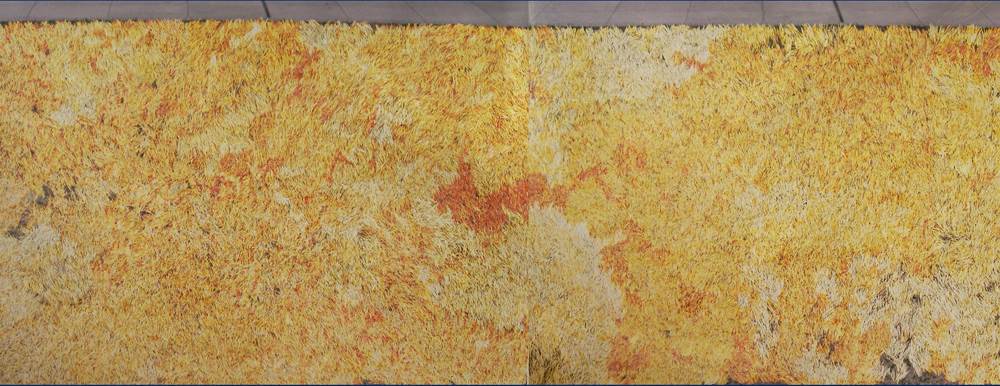
김선영의 작업은 사진 찍기에서 출발한다. 그의 피사체는 주로 일상의 풍경, 혹은 여행지의 풍경이다. 이내 그는 사진의 이미지들을 긁어낸다. 표면의 이미지들을 벗겨낸 부분은 그 벗긴 정도에 따라 노란색, 오렌지색, 갈색 빛을 띤다. 시간의 흐름 속에서 부식되어 가는 녹슨 철판 같은 색이다. 긁어낸 부분들에는 도구가 지나간 흔적이 남아 있어 마치 붓질처럼 보인다. 덕분에 인상주의 화가들의 화폭을 연상키는 것이 상당히 회화적이다.
그의 작업은 한 화면 안에 온전한 이미지가 남아 있는 부분과 지워져 잔상만 보이는 부분을 공존시키면서 원래의 사진과는 다른 맥락의 이야기를 만든다. 예를 들면 이런 식이다. 거리의 가로수는 마치 불길에 휩싸인 것처럼 보이고, 경운기를 끌고 가는 노인은 마치 한 폭의 그림에서 빠져 나오고 있는 것 같다. 한없이 평범했을 바닷가 마을은 낡아서 허름한 판자촌처럼 보인다. 이처럼 이미지를 긁어내는 그의 행위는 사진이 담고 있던 기본적인 정보를 삭제하거나 왜곡하는 결과를 낳는다. 삭제 당한 실상은 잔상을 남기며 이미지의 허상성을 부각시킨다.
그렇다면 그는 왜 사진을 긁어내는 것일까. 그는 솔직해지기 위해서라고 답한다. 이 답변은 사진의 이미지가 솔직하지 못하다는 작가의 판단을 담고 있다. 애초에 사진은 기록이 존재의미인 매체였다. 사진의 역사가 100년을 훌쩍 넘어가면서 예술의 영역에 들어선 이후에는 만드는 사진이 강세이지만 여전히 사진의 다큐멘터리적 속성은 사라지지 않았다. 그렇기 때문에 사람들은 많은 경우, 여전히 사진의 이미지를 사실/진실로 믿는다. 그러나 다시 생각해보면 사진은 상황을 왜곡해서 담기에 아주 유리한 매체다. 렌즈를 들여다보는 주체가 그의 관점에 따라 장면을 취사선택하기 때문에 그 결과물은 지극히 주관적일 수밖에 없다. 그의 주관이 반드시 사실이거나 진실일 것이라는 보장은 전혀 없다. 상황의 맥락을 읽을 수 없도록 찍은 사진이 왜곡된 판단을 이끌어내는 이유이다. 그런 의미에서, 누구나 보는 풍경을 어떤 주체가 사진에 담았을 때, 그것은 지극히 주관적인 풍경이다. 솔직해지기 위해서 그 주관적 풍경을 긁어내야 한다는 작가의 말은, 자신의 ‘주관’을 신뢰할 수 없다는 것의 또 다른 표현이다. 결국, 자신을 의심하는 과정을 통해 자신의 실체에 다가가는 것이 현재 김선영이 선택한 방법이다.
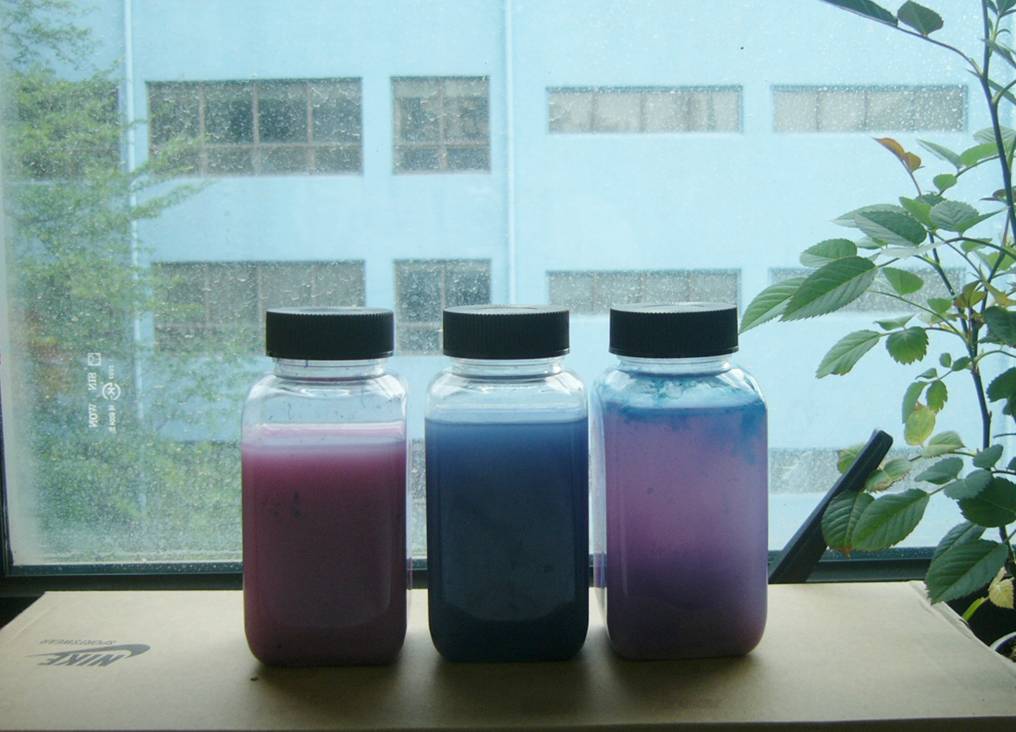
한편, 사진에서 벗겨낸 이미지 조각들은 감정의 찌꺼기처럼 옹색하다. ‘주관’이라는 것이 그렇게 실체 없는 허상이라는 것을 강변하기라도 하는 모양새다. 그러나, 그럼에도 불구하고 그는 이 주관의 조각들을 버리지 않는다. 오히려 푸른 빛을 띠는 이 조각들을 이용해 다른 화면 위에서 또 다른 이미지를 만들어낸다. 그는 그 외에도 이 조각들을 이용한 여러 가지 퍼포먼스를 계획하고 있다. 그렇게 작가는 ‘주관’의 모양새를 바꿀 뿐, 그 실체를 포기하지 않고 있다.︎
그의 작업은 한 화면 안에 온전한 이미지가 남아 있는 부분과 지워져 잔상만 보이는 부분을 공존시키면서 원래의 사진과는 다른 맥락의 이야기를 만든다. 예를 들면 이런 식이다. 거리의 가로수는 마치 불길에 휩싸인 것처럼 보이고, 경운기를 끌고 가는 노인은 마치 한 폭의 그림에서 빠져 나오고 있는 것 같다. 한없이 평범했을 바닷가 마을은 낡아서 허름한 판자촌처럼 보인다. 이처럼 이미지를 긁어내는 그의 행위는 사진이 담고 있던 기본적인 정보를 삭제하거나 왜곡하는 결과를 낳는다. 삭제 당한 실상은 잔상을 남기며 이미지의 허상성을 부각시킨다.
그렇다면 그는 왜 사진을 긁어내는 것일까. 그는 솔직해지기 위해서라고 답한다. 이 답변은 사진의 이미지가 솔직하지 못하다는 작가의 판단을 담고 있다. 애초에 사진은 기록이 존재의미인 매체였다. 사진의 역사가 100년을 훌쩍 넘어가면서 예술의 영역에 들어선 이후에는 만드는 사진이 강세이지만 여전히 사진의 다큐멘터리적 속성은 사라지지 않았다. 그렇기 때문에 사람들은 많은 경우, 여전히 사진의 이미지를 사실/진실로 믿는다. 그러나 다시 생각해보면 사진은 상황을 왜곡해서 담기에 아주 유리한 매체다. 렌즈를 들여다보는 주체가 그의 관점에 따라 장면을 취사선택하기 때문에 그 결과물은 지극히 주관적일 수밖에 없다. 그의 주관이 반드시 사실이거나 진실일 것이라는 보장은 전혀 없다. 상황의 맥락을 읽을 수 없도록 찍은 사진이 왜곡된 판단을 이끌어내는 이유이다. 그런 의미에서, 누구나 보는 풍경을 어떤 주체가 사진에 담았을 때, 그것은 지극히 주관적인 풍경이다. 솔직해지기 위해서 그 주관적 풍경을 긁어내야 한다는 작가의 말은, 자신의 ‘주관’을 신뢰할 수 없다는 것의 또 다른 표현이다. 결국, 자신을 의심하는 과정을 통해 자신의 실체에 다가가는 것이 현재 김선영이 선택한 방법이다.
한편, 사진에서 벗겨낸 이미지 조각들은 감정의 찌꺼기처럼 옹색하다. ‘주관’이라는 것이 그렇게 실체 없는 허상이라는 것을 강변하기라도 하는 모양새다. 그러나, 그럼에도 불구하고 그는 이 주관의 조각들을 버리지 않는다. 오히려 푸른 빛을 띠는 이 조각들을 이용해 다른 화면 위에서 또 다른 이미지를 만들어낸다. 그는 그 외에도 이 조각들을 이용한 여러 가지 퍼포먼스를 계획하고 있다. 그렇게 작가는 ‘주관’의 모양새를 바꿀 뿐, 그 실체를 포기하지 않고 있다.︎
Kim's
work starts by taking photographs. Her subjects are mostly about sceneries of
everyday lite, or views from journeys. Soon she scratches out the images in the
photographs. The images of those peeled off from the surface carries, yellow,
orange, brown colors due to the degree of removall, Such as the rusted iron
plate corrosioning in the passing of time. The exposed portions are left with
tool marks that similar to brush strokes. Owing to the effects, her picturesque
works reminds the paintings of impressionism artists.
In her works, she creates another story different from the original photograph; by coexisting the intact portions and the afterimages of erased parts. For example, the trees along the streets seems like there on flames of fire, and an old man towing his Cultivator appears to be coming out from a portrait. The mundane village near the Ocean is expressed as a shabby cardboard town. Her actions of scratching out images resolute the elimination or distortion of the fundamental meanings the photo originally held. The erased real facts leave afterimages magnifying the illusion of image.
If so, why is the artist scratching out photographs? Her answer is to become honest. This reply implies the judgment of the artist; the images in the photos are disingenuous. From the beginning, photographs reason of existence was to record. After 100 years from photo's invention, even though photography became a part of art, and there for mainly a subject of creation, the documentarily elements of photographs still remain. This being so, for most occasions, spectators trust the images in the photographs to be real and true. However on second thought, photograph is a very convenient tool to distort a situation. The person behind the lens select the scenes according to one's personal point of view, therefore the outcome is extremely subjective. There exists no proof of sincerity or accuracy in their point of view. Photographs took to block realization of the context; leading misunderstood judgments are the reasons. In such sense, when someone is taking a photograph of everyday scenery, it is the most subjective scene. The comment of the artist; scratching out the subjective scenery in order to become honest, is another expression of being unable to trust ones 'subjective’. In conclusion, Kim seeks to find her true nature by process of self-skepticism.
On the other hand, the peeled-off images from the photographs seem wretched; similar to the leftovers of emotions. Emphasizing that the 'subjective’ mind is just an aeriform delusion. Still, in spite the flaws, she does not just toss the pieces of subjective away. Instead, by utilizing these blue colored fragments, she creates new different images on another canvas. The artist also has plans for diverse performance art, using these fragments. This way, the artist is just altering the appearance of 'subjective', not letting go of its nature.︎
In her works, she creates another story different from the original photograph; by coexisting the intact portions and the afterimages of erased parts. For example, the trees along the streets seems like there on flames of fire, and an old man towing his Cultivator appears to be coming out from a portrait. The mundane village near the Ocean is expressed as a shabby cardboard town. Her actions of scratching out images resolute the elimination or distortion of the fundamental meanings the photo originally held. The erased real facts leave afterimages magnifying the illusion of image.
If so, why is the artist scratching out photographs? Her answer is to become honest. This reply implies the judgment of the artist; the images in the photos are disingenuous. From the beginning, photographs reason of existence was to record. After 100 years from photo's invention, even though photography became a part of art, and there for mainly a subject of creation, the documentarily elements of photographs still remain. This being so, for most occasions, spectators trust the images in the photographs to be real and true. However on second thought, photograph is a very convenient tool to distort a situation. The person behind the lens select the scenes according to one's personal point of view, therefore the outcome is extremely subjective. There exists no proof of sincerity or accuracy in their point of view. Photographs took to block realization of the context; leading misunderstood judgments are the reasons. In such sense, when someone is taking a photograph of everyday scenery, it is the most subjective scene. The comment of the artist; scratching out the subjective scenery in order to become honest, is another expression of being unable to trust ones 'subjective’. In conclusion, Kim seeks to find her true nature by process of self-skepticism.
On the other hand, the peeled-off images from the photographs seem wretched; similar to the leftovers of emotions. Emphasizing that the 'subjective’ mind is just an aeriform delusion. Still, in spite the flaws, she does not just toss the pieces of subjective away. Instead, by utilizing these blue colored fragments, she creates new different images on another canvas. The artist also has plans for diverse performance art, using these fragments. This way, the artist is just altering the appearance of 'subjective', not letting go of its nature.︎